
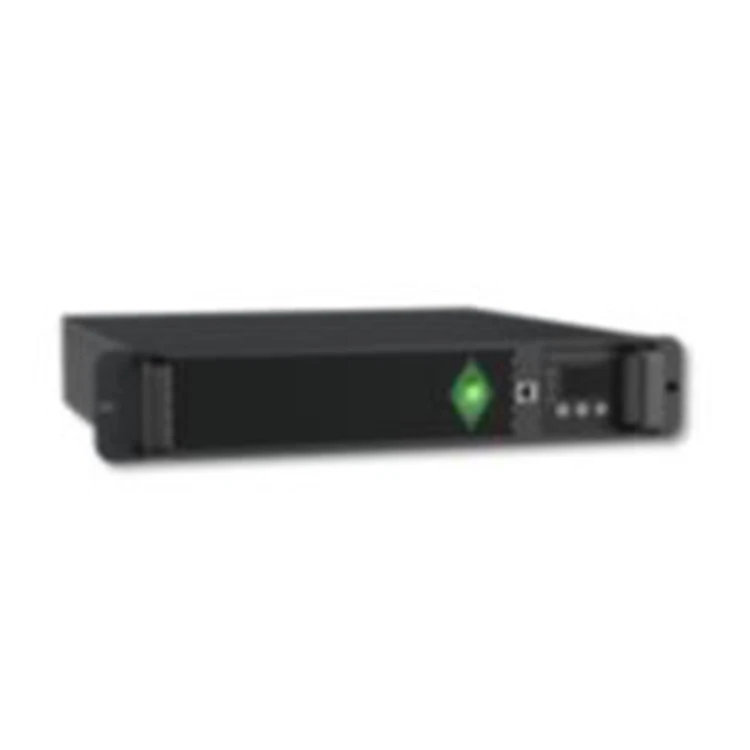
Off Peak Battery Storage
Description
Technical Parameters
According to the load characteristics of the power grid, the monitoring unit is utilized by the system for rational and scientific automatic control and management of the battery pack's charging and discharging process.
1. What is battery storage for off-peak periods?
The term "off-peak battery energy storage" refers to a power storage system that utilizes conventional batteries as the main storage component. Its primary function is to store electrical energy in the battery and release it when needed. By rearranging the given information, a similar content can be generated.
Off-peak battery energy storage serves several purposes. The first and most obvious use is to store excess energy generated during off-peak hours for later use during peak demand periods. This helps to balance the grid and avoid strain on power generation facilities during times of high demand.
Furthermore, off-peak battery energy storage can be utilized to optimize the use of renewable energy sources. Renewable energy, such as solar and wind, often produces more energy than is immediately needed. By storing this excess energy in batteries, it can be utilized during times when renewable energy generation is lower or non-existent.
Another benefit of off-peak battery energy storage is its role in providing backup power during outages or emergencies. By having a reliable source of stored energy, critical facilities can continue to operate even when the main power grid is down.
Moreover, off-peak battery energy storage can also contribute to reducing energy costs. During off-peak hours when energy demand is low, electricity prices are typically cheaper. By charging the batteries during these times and using stored energy during peak hours, users can avoid purchasing expensive electricity during high demand periods.
In summary, off-peak battery energy storage offers multiple uses, including grid balancing, optimization of renewable energy, backup power supply, and cost savings.
Off-peak battery energy storage holds great potential for various sectors including grid dispatching, microgrids, transportation, and industrial manufacturing. Its advantages span across multiple areas, as it effectively balances power supply and demand in grid dispatching, reduces the gap between peak and off-peak energy consumption, and ultimately enhances overall grid performance. By rearranging the provided information, we can emphasize the wide-ranging benefits of off-peak battery energy storage in diverse sectors.
Off-peak battery energy storage systems have a number of advantages. Firstly, they allow for the storage of excess energy generated during off-peak hours when demand is low. This energy can then be used during peak hours when demand is high, resulting in cost savings for businesses and homeowners alike. Additionally, off-peak energy storage systems can help reduce strain on the grid during times of high demand, which can lead to improved grid stability and reliability. Furthermore, these systems allow for greater integration of renewable energy sources such as wind and solar, which can be intermittently available depending on weather conditions. Overall, off-peak battery energy storage systems offer a number of benefits for both individuals and the wider energy system.
One of the many benefits of off-peak battery energy storage is that it is a superior choice when compared to other energy storage technologies. Not only is it affordable, but it also offers a simple installation process and a fast response rate. Using standard batteries means that there are no safety risks or environmental damage. All in all, off-peak battery energy storage is a highly recommended solution for anyone looking for a reliable, efficient, and safe energy storage option.
Off-peak battery energy storage has certain drawbacks that need to be considered. These drawbacks arise from the nature of off-peak storage and can impact its effectiveness in meeting energy demands.
One drawback is the limited duration of off-peak battery energy storage. Energy storage systems that rely on batteries have a finite capacity, which means they can only store a certain amount of energy. During off-peak periods, when energy demand is low, the storage capacity may be sufficient. However, during periods of high energy demand, the stored energy may deplete quickly, leading to a limited duration of supply. This can be problematic when there is a surge in energy demand or during prolonged periods of peak energy usage.
Another disadvantage is the concern of battery degradation. Batteries used for energy storage can degrade over time due to chemical reactions and wear and tear. This degradation can result in a loss of storage capacity and efficiency. When batteries degrade, they may not be able to hold as much energy as before, reducing the effectiveness of off-peak storage. Additionally, degraded batteries might require more frequent replacements, resulting in increased costs and environmental impact.
Furthermore, off-peak battery energy storage can face challenges in terms of scalability. While smaller-scale energy storage systems can effectively meet the demands of individual households or small communities, scaling up to provide energy for larger areas or cities can be more challenging. This is because the infrastructure required to support widespread off-peak storage needs to be robust and expansive, which can be costly to implement and maintain.
Lastly, off-peak storage may not always align with renewable energy generation. Many off-peak storage systems are designed to store excess energy generated by renewable sources during low-demand periods. However, the availability of renewable energy generation may not always coincide with off-peak periods. This can result in a mismatch between energy supply and demand, limiting the potential benefits of off-peak storage.
In conclusion, while off-peak battery energy storage offers advantages in terms of energy management and cost savings, it is important to recognize the drawbacks associated with this approach. Limited storage duration, battery degradation, scalability challenges, and the potential mismatch between renewable energy generation and off-peak periods can impact the effectiveness and efficiency of off-peak battery energy storage.
As technology advances, the drawbacks of off-peak battery energy storage technology, including capacity limitations, limited lifespans, and low specific energies, are expected to be overcome. The progress in technology will eventually lead to solutions for these issues.
The development of off-peak battery energy storage technology is advancing towards innovative solutions.
In order to keep up with the demands of the future, off-peak battery energy storage will require enhancements in terms of energy density and service life. The introduction of new materials and advanced monitoring systems will also increase their efficiency and safety. It is important that these advancements are made to meet the growing demands of the market.
Hot Tags: off peak battery storage, China off peak battery storage manufacturers, suppliers, factory
Send Inquiry


